
Overgrown Land That Becomes Usable Again
Brush Clearing in Green Ridge for reclaimed pasture borders, timber edges, and fence lines choked with native undergrowth
Native Missouri undergrowth reclaims cleared land fast—spring and summer growth turns pasture borders and timber edges into impenetrable thicket within a single growing season if left unmanaged. Thacker Skid-Steer Service clears overgrown brush, scrub, and dense undergrowth on rural properties where hand crews cannot keep pace with volume and bulldozers create more ground damage than the job requires. Toby uses skid-steer-mounted clearing equipment that processes brush faster than manual cutting while leaving topsoil and pasture grass largely intact, which matters on West-Central Missouri farm ground where soil conservation and usable acreage drive land value.
Brush clearing removes the above-ground growth and root crowns that fuel regrowth, though follow-up clearing is typically needed in subsequent seasons depending on how aggressively native species reestablish. The work opens fence lines for repair and maintenance, restores pasture borders that livestock can access safely, and clears timber edges that have crept into functional land. Toby visits every property before starting so you know what clearing will involve, how much ground will be processed, and what the land will look like once undergrowth is removed.
Schedule a free estimate to review which areas need clearing and what equipment access will require on your property.
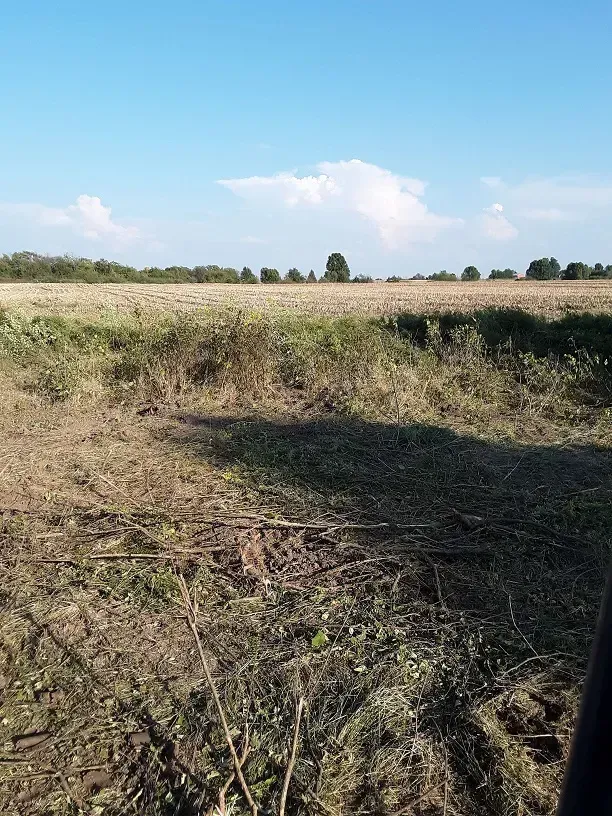
What Changes After Clearing Removes Undergrowth
Clearing involves cutting brush at ground level and removing root crowns where practical, then pushing debris into manageable piles or spreading it thin depending on your land use plan and whether burning or decomposition makes more sense. Skid steer equipment handles volume clearing across multiple acres without requiring the wide lanes and deep blade work that bulldozers need, so you retain more topsoil and avoid unnecessary pasture damage. The Takeuchi skid steers Toby operates deliver the power needed to push through dense thicket and process mature scrub without bogging down in soft Missouri ground common along creek borders and low-lying pasture sections.
Once clearing is finished, you will see open ground where thicket previously blocked access, fence lines visible and reachable for wire repair or post replacement, and pasture borders that livestock can graze without pushing into hazardous undergrowth. The cleared land will not stay perfectly clean without maintenance—Missouri brush regrows persistently—but the initial clearing establishes manageable ground that you can maintain with less effort than fighting fully established thicket every season.
Debris volume depends on how long the undergrowth has been accumulating, and Toby discusses whether piling, spreading, or hauling makes sense for your operation during the estimate visit. Some landowners prefer burn piles staged for controlled burning, while others want debris spread thin to decompose naturally, and the approach depends on your timeline and land management priorities.
Common Questions About This Service
Landowners in Pettis County typically ask how clearing differs from mowing, what regrowth to expect, and how much ground can be processed in a single mobilization.
How does skid steer clearing compare to brush hog mowing?
Clearing removes brush at or below ground level and processes root crowns to slow regrowth, while brush hog mowing cuts above-ground vegetation but leaves root systems intact, so clearing produces longer-lasting results on land with established scrub or woody undergrowth that mowing cannot handle effectively.
Will the brush grow back after clearing?
Native Missouri brush will attempt to regrow from remaining root fragments and seed, but initial clearing removes the established root mass and above-ground structure, which means follow-up maintenance is significantly easier than fighting mature thicket, and many landowners schedule seasonal clearing to keep regrowth manageable.
How much acreage can you clear in one day?
Clearing speed depends on brush density, terrain conditions, and debris handling requirements, but Toby provides a realistic timeline estimate after walking your property, and most jobs range from one to several days depending on total acreage and undergrowth thickness.
Can you clear around trees without damaging them?
Skid steer clearing can work around standing trees you want to keep by avoiding direct blade contact with trunks and clearing undergrowth selectively, though extremely dense brush growing tight against tree bases may require hand trimming to avoid bark damage, and those limitations are identified during the site visit.
What is the best season for brush clearing in Green Ridge?
Late winter or early spring before new growth starts is ideal for clearing because root systems are dormant and regrowth is slower, but clearing can be done year-round depending on ground conditions, with wet spring soil sometimes limiting equipment access and frozen winter ground making root removal more difficult.
Thacker Skid-Steer Service has cleared rural land in West-Central Missouri for eight to ten years, and every job begins with Toby visiting your property to assess what clearing will take and what results you can expect. Contact Toby directly to arrange a free local estimate and discuss your brush clearing needs.