
Sprout-Choked Ground That Livestock Can Use
Pasture Clearing in Green Ridge for Pettis County grazing land overtaken by cedar encroachment, invasive brush, and sprout regrowth
Cedar, hedge, and thorny locust encroachment and sprout regrowth reduce usable pasture acreage by pushing into grazing areas that cattle or horses need for forage, and clearing that land manually is slow, labor-intensive work that rarely keeps pace with regrowth across large Missouri acreage. Thacker Skid-Steer Service clears overgrown pastures using skid-steer equipment that processes volume clearing efficiently while preserving underlying grass and topsoil structure. Toby understands what agricultural land requires because of his cattle industry background—he knows what landowners need from their pastures and what clearing will actually accomplish for livestock operations and farm productivity.
Pasture clearing removes invasive species, sprout thickets, and woody growth that compete with forage grass and create hazards for livestock movement. West-Central Missouri pastures develop cedar stands, thorny locust, and hedge quickly if not managed, and sprout regrowth from previously cut trees creates dense thickets that cattle avoid and equipment cannot navigate. Skid steer clearing processes these problem areas faster than hand crews and with less soil disturbance than bulldozers, so you reclaim grazing acreage without tearing up the pasture base that took years to establish.
Arrange a property visit to review which pasture sections need clearing and what your land will support once overgrowth is removed.
What Clearing Actually Accomplishes on Farm Ground
The clearing process removes above-ground growth and root crowns where practical, then stages debris in piles or windrows depending on your plan for burning, composting, or decomposition. Toby operates the largest Takeuchi skid steers made, which deliver the pushing power needed to clear dense cedar stands and sprout thickets without stalling or requiring repeated passes on the same growth. Equipment operates across varying terrain without creating deep ruts or compaction that damages pasture soil structure, which matters on ground you plan to return to grazing or hay production immediately after clearing finishes.
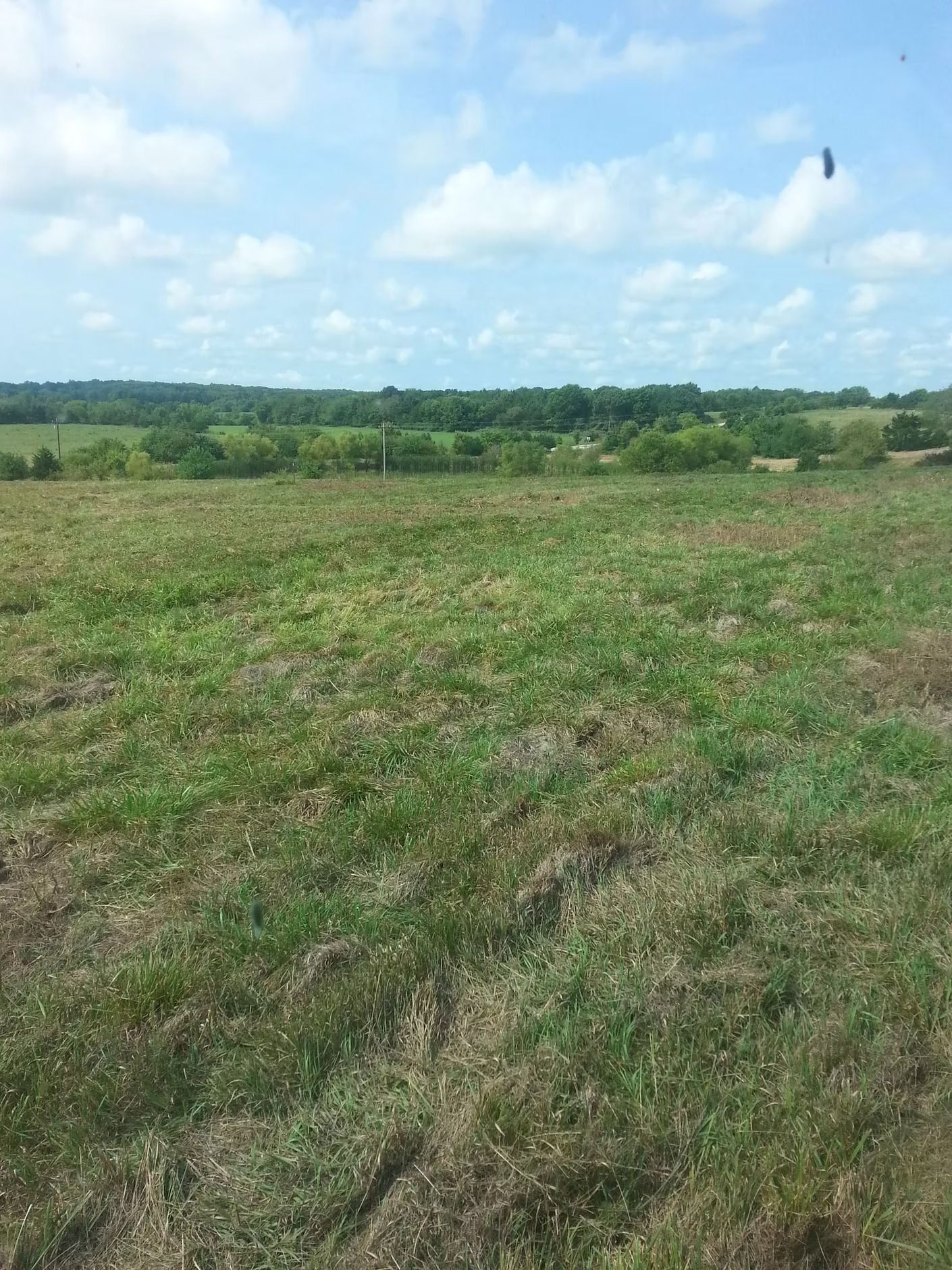
Once clearing is complete, you will see open pasture ground where cedar or sprout thickets previously blocked livestock access, fence lines that are visible and reachable for maintenance, and usable acreage restored for grazing or haying. Cattle can move freely across cleared sections without navigating hazardous undergrowth, and you regain the ability to manage the land with rotational grazing or seasonal mowing. Cleared pastures will require follow-up maintenance to control regrowth, but the initial clearing establishes manageable ground that you can maintain with significantly less effort than fighting fully mature invasive growth.
Pasture clearing scope depends on how long the overgrowth has been accumulating and what vegetation types dominate your land—cedar removal takes different equipment setup than sprout thicket clearing, and Toby assesses what your specific pasture needs during the estimate so you understand what will be cleared and what limitations exist based on terrain or vegetation density.
Questions Before Starting Your Project
Cattle ranchers and farm operators typically want to know how clearing affects existing grass, what timeline to expect, and how quickly livestock can return to cleared pasture sections.
How do you clear pastures without destroying the established grass?
Skid steer clearing removes invasive growth and woody vegetation while leaving underlying grass and topsoil largely intact by avoiding deep blade work and limiting passes to what is necessary for vegetation removal, though some grass disturbance is unavoidable in heavily overgrown areas and regrowth typically fills in during the next growing season.
What happens to cedar trees and sprout thickets after they are cleared?
Cedar and sprouts are pushed into piles for burning, spread across non-pasture areas to decompose, or hauled off depending on volume and your land management preferences, and debris handling options are discussed during Toby's initial property visit so you know what to expect before clearing starts.
How soon can livestock return to pasture after clearing?
Livestock can typically return immediately after debris is removed or piled, though some landowners prefer to wait for rain to settle disturbed soil and for grass to begin recovery in heavily cleared sections, and the timeline depends on your stocking rate and grazing rotation preferences.
Will the invasive growth come back after clearing?
Cedar and sprout regrowth will attempt to reestablish from seed and remaining root fragments, but initial clearing removes the established vegetation and opens the pasture to sunlight, which allows grass to compete more effectively and makes follow-up maintenance far easier than fighting mature invasive stands year after year.
How much pasture can you clear in a typical project in Green Ridge?
Clearing capacity depends on vegetation density, terrain slope, and debris handling requirements, but most pasture clearing jobs range from several acres to full farm sections depending on property size and overgrowth severity, and Toby provides a realistic timeline estimate after walking your land and assessing what the work will involve.
Toby has worked rural Pettis County land for eight to ten years and understands what Missouri pastures need to stay productive for cattle and farm operations. Schedule a free local estimate to walk your pasture and discuss what clearing will accomplish on your specific acreage.