
Lanes That Follow the Land You Hunt
Hunting Lane Creation in Green Ridge for West-Central Missouri landowners prepping deer season access and shooting lanes
Food plot access and shooting lanes need to make sense for the hunt, not just cut straight lines through timber that spook deer or expose your approach. Thacker Skid-Steer Service clears hunting lanes across Green Ridge and surrounding Pettis County hunting ground, using skid steer precision to follow natural terrain contours and create concealed access routes that improve stand placement without bulldozing the landscape. The work happens in late summer and early fall when Missouri landowners prep for deer season, and the lanes get cut to maximize sight lines and approach concealment based on how the land actually lays.
Hunting lane clearing removes brush, saplings, and understory growth to open sight lines from stand locations to feeding areas or travel corridors. The cuts follow ridges, creek beds, and natural breaks in the timber instead of forcing straight lanes that stand out and alter deer movement patterns. Skid steer work navigates uneven ground and tight timber spacing to create lanes that blend with the existing terrain rather than announcing themselves from a distance.
Request a free estimate to identify the best lane routes based on stand locations, terrain features, and seasonal deer movement.
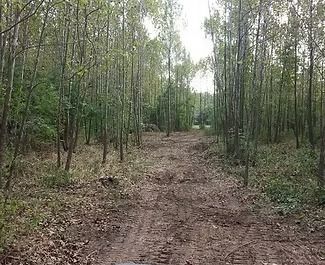
How Equipment-Cut Lanes Work With Natural Terrain
Lane clearing targets the understory growth that blocks sight lines and approach routes while leaving larger trees and natural screening intact where it doesn't interfere with shooting lanes or access. The skid steer cuts follow the terrain's natural rise and fall, using existing contours to keep lanes concealed from surrounding areas and avoid creating obvious corridors that change how deer move through the property. Cleared lanes open up approach routes to stands that let you move in quietly without crossing open ground or forcing a path through noisy brush.
After the work is finished, you walk or drive into stand locations without fighting thick brush or making noise that alerts deer to your presence. Shooting lanes from the stand offer clear sight lines to food plots, scrape lines, or travel corridors without cutting so wide that the lane itself becomes an unnatural feature that deer avoid. The cleared material gets pushed to the edge or left in low piles that break down naturally instead of creating obvious brush piles that stand out during hunting season.
Toby's rural Missouri background means he's clearing lanes for serious hunters who understand how deer use the land—the site visit identifies stand locations, prevailing wind direction, and natural pinch points before a single cut gets made. Before/after gallery examples show completed hunting lane jobs across West-Central Missouri, so you see how the lanes look once timber clearing is done.
Common Questions About This Service
Pettis County landowners preparing hunting ground for Missouri deer season typically ask about timing, lane width, and how clearing affects deer movement before scheduling work.
When should hunting lane clearing be scheduled before Missouri deer season?
Late summer through early fall gives lanes time to settle and deer time to adjust to the changes before archery season opens, with most work wrapping up by mid-September to avoid disrupting pre-season patterns.
How wide do shooting lanes and access trails need to be for effective use?
Width depends on the purpose—shooting lanes clear just enough for sight lines from the stand, while access trails need enough room to walk or drive an ATV without brushing against regrowth that creates noise or scent transfer.
Does clearing hunting lanes change how deer move through the property?
Lanes that follow natural terrain features and existing trails cause less disruption than straight cuts that create new corridors, and deer adapt faster when the cleared routes match how they already move through timber and between feeding areas.
What gets removed during hunting lane clearing and what stays in place?
Brush, saplings, understory growth, and low-hanging branches get cut to open sight lines and access, while larger trees and natural screening stay unless they block critical shooting lanes or stand placement.
Can lanes be cleared in wet or uneven ground without tearing up the hunting area?
Skid steer equipment distributes weight better than heavier machinery and works in soft ground conditions common near creek bottoms and drainage channels in Pettis County timber without leaving deep ruts or soil disturbance that takes seasons to recover.
Thacker Skid-Steer Service offers free estimates that include walking the property to identify the best lane routes and stand access options before clearing begins. Toby will get back to you the same day you call, and the site visit happens before deer season demand fills the schedule—leave a message if needed and expect a return call by day's end.