
Drainage That Moves Water Off Your Ground
Waterway Clearing in Green Ridge for Pettis County farm operations dealing with blocked channels and spring field flooding
Blocked farm waterways and drainage channels cause field flooding and erosion every spring when debris, downed timber, and flood deposits choke the flow and force water out onto crop ground. Thacker Skid-Steer Service clears waterways across Green Ridge and West-Central Missouri, removing storm debris and overgrowth from drainage channels, creeks, and farm ditches that need to move water without backing up or washing out field edges. The skid steer reaches into wet, soft-bank areas where larger equipment can't work without tearing up the channel or creating worse erosion than the original blockage caused.
Waterway clearing pulls out the logs, branches, sediment buildup, and brush that restrict flow and create backup points where water spreads across low ground instead of staying in the channel. Pettis County waterways collect debris fast during spring floods and storm runoff, especially where trees overhang the channel or bank erosion dumps soil into the flow. Skid steer work removes the blockages without major bank disturbance, so the channel continues to function without widening or deepening beyond its original profile.
Schedule a free local estimate to assess the waterway, identify blockage points, and outline the clearing limits before equipment enters wet ground.
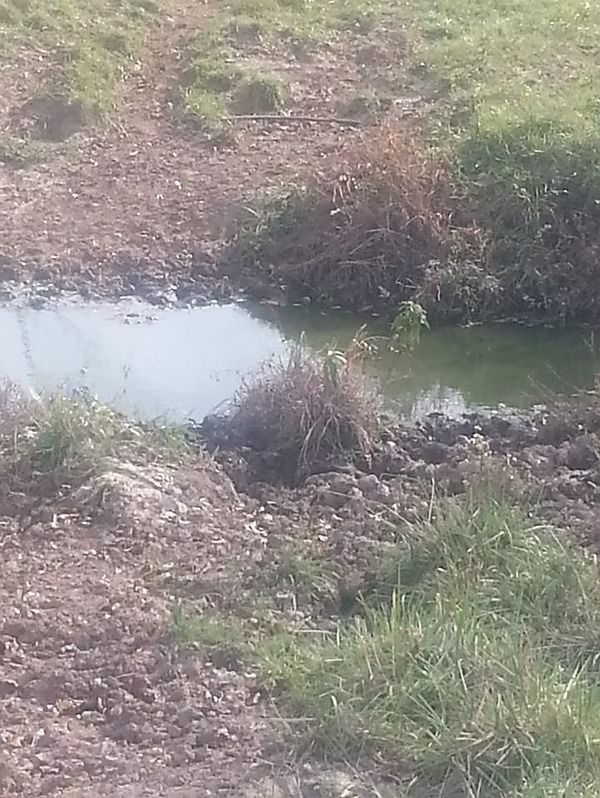
What Proper Waterway Clearing Accomplishes
The process removes debris and overgrowth that restricts water flow while preserving the channel banks and slope that direct drainage off the field. Skid steer reach extends into the channel from the bank, pulling blockages without driving heavy equipment through soft bottom ground that would compact soil or create ruts that hold standing water after clearing. Cleared channels move spring runoff and storm water without backing up onto adjacent crop ground or washing out field edges where erosion cuts into productive acreage.
After clearing, water flows through the channel during heavy rains instead of pooling in blocked sections or spilling onto field ground where it drowns crops and creates mud zones that delay planting or harvest. The waterway drains wet spots faster, reduces standing water that attracts erosion, and restores the original flow capacity that keeps field drainage functional through spring mud season. Removed debris gets stacked beyond the channel edge or spread where it won't wash back into the flow during the next flood event.
Toby's experience with rural waterways and wet-ground conditions means he knows how to work in soft channels without making the drainage problem worse. The site visit maps where blockages sit, where debris needs to be placed after removal, and whether bank stabilization or additional grading is required to keep the channel functional long-term.
What Property Owners Usually Ask
Farm operators and rural landowners in Pettis County ask practical questions about waterway clearing before scheduling work, especially related to timing and how clearing affects channel stability.
What types of debris and blockages get removed during waterway clearing?
Downed timber, storm-deposited branches, sediment buildup, brush overgrowth, and flood debris that restrict flow and create backup points in farm drainage channels and creeks.
When is the best time to clear waterways without dealing with wet or flooded conditions?
Late summer and early fall offer lower water levels and drier ground conditions, making it easier to access channels and remove debris before winter storms and spring flooding deposit new blockages.
Does clearing affect the channel banks or cause additional erosion?
Skid steer work reaches into the channel from the bank rather than driving through the bottom, minimizing soil disturbance and preserving the natural bank slope that directs water flow and prevents washout during high-water events.
How does waterway clearing prevent field flooding during spring rains in Green Ridge?
Open channels move runoff off crop ground faster and reduce the backup that causes water to spread across low field areas, drowning crops and creating mud zones that delay equipment access and planting schedules.
What happens to the debris and material removed from the waterway?
Cleared material gets placed beyond the channel edge where it won't wash back into the flow, either stacked for future removal or spread in low areas that won't interfere with drainage or field operations.
Thacker Skid-Steer Service has handled rural waterway and drainage work across West-Central Missouri for 10+ years, and every project starts with a free local estimate that assesses the channel condition and clearing requirements before work begins. Toby always goes to look at the project first—leave a message and he'll call you back that day to set up the site visit.